
A port model built for generations and long-lasting impact
April 3, 2026
In the first of our Partner Spotlight series, we hear from Sinclair Browne, CEO of Port of Inverness, who explains how their trust port model is driving long-term growth, community value and investment.
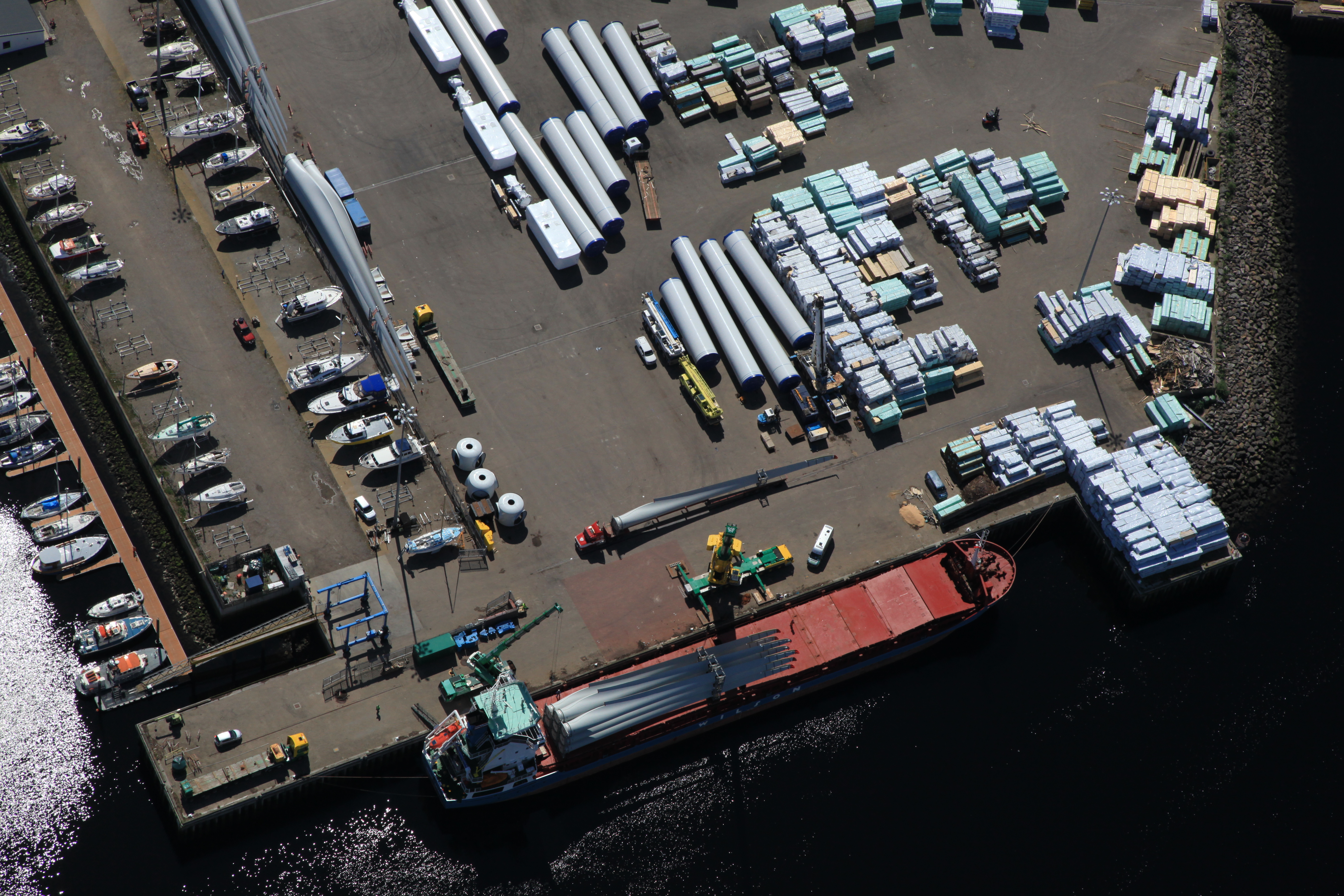
Picture a port. What do you see? Is it somewhere that offers vessels safe harbour while cargo is moved? Do you see passenger ships lined with people ready to disembark? Maybe you think about a busy quayside – the logistics, warehousing and everything else that goes with a bustling facility?
However you picture it, a port is simple to define. Ships arrive and depart, goods or people move, and the economy turns. But in truth, not all ports are built the same, especially when it comes to how they are made on the inside.
At Port of Inverness – one of the founding partners of Inverness and Cromarty Firth Green Freeport – the operating model is fundamentally different. It is what defines its past, shapes its present and influences its future.
What is a trust port and why does it matter?
“Port of Inverness is a trust port, which is a unique model for port operation,” explained Sinclair Browne, CEO of Port of Inverness. “There are basically three types of ports in the UK – municipal ports, private ports and trust ports.
“Trust ports exist for the benefit of the stakeholders and are set up by an enabling Act of Parliament. Our Act dates back to 1847, so we’ve been operating for over 175 years, but even before that there are records of ships coming up and down the River Ness from as early as the 11th century.
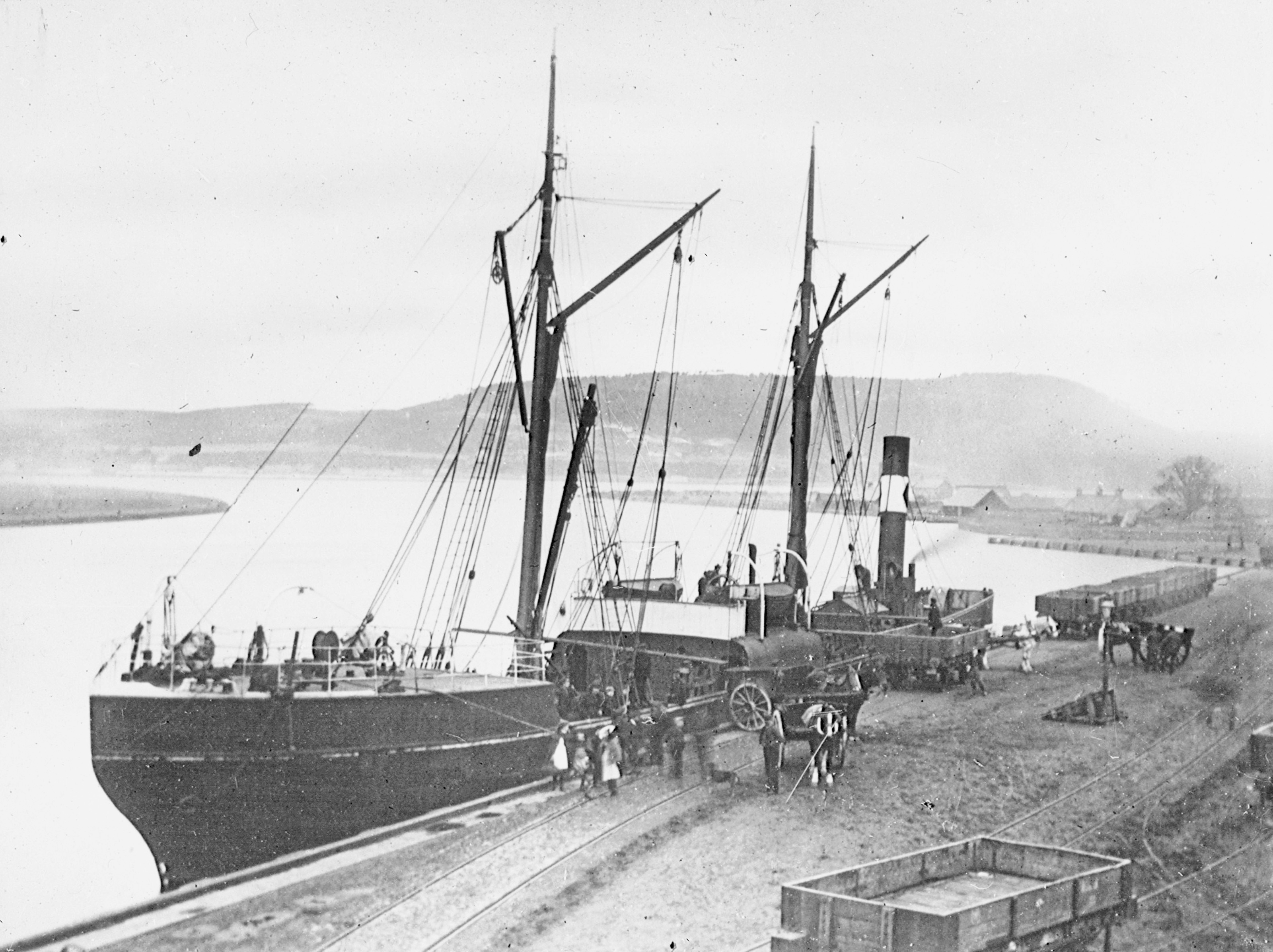
“We’re very much a community-based, community-focused port serving the Highlands. As a trust port, the trustees and I are the guardians of the port. We’re here to manage it on behalf of the port's stakeholders – those range from the citizens of Inverness to port users and employees, and on to authorities like the Scottish Government.”
The key differentiator with a trust port is that accountability. Unlike privately owned ports, there are no shareholders. That means the port operates as a steward of a public asset, reinvesting everything back into supporting future operations and development.
The aim, said Sinclair, is steer the port towards success for the benefit of future generations of Invernesians.
He added: “That means reinvesting any surplus back into the port, improving facilities, anticipating demand and making sure we’re ready for what comes next.”
A long-term model built for regional growth
This long-term mindset is important. Without the pressure of short-term returns, decisions can be made with decades, rather than quarterly financial performance, in mind.
“Because of the nature of the trust port and not having external stakeholders, we can afford to take that longer-term view of our investment horizon. We’re not under pressure to deliver a five-year return or maximise short-term profit,” said Sinclair.
“We can look ahead and ask what the port needs to be doing not just in the present, but for the next generation and the one after that. We’ve been here for 175 years, and we’re planning to be here for the next 175. That changes how you think about investment and growth.”
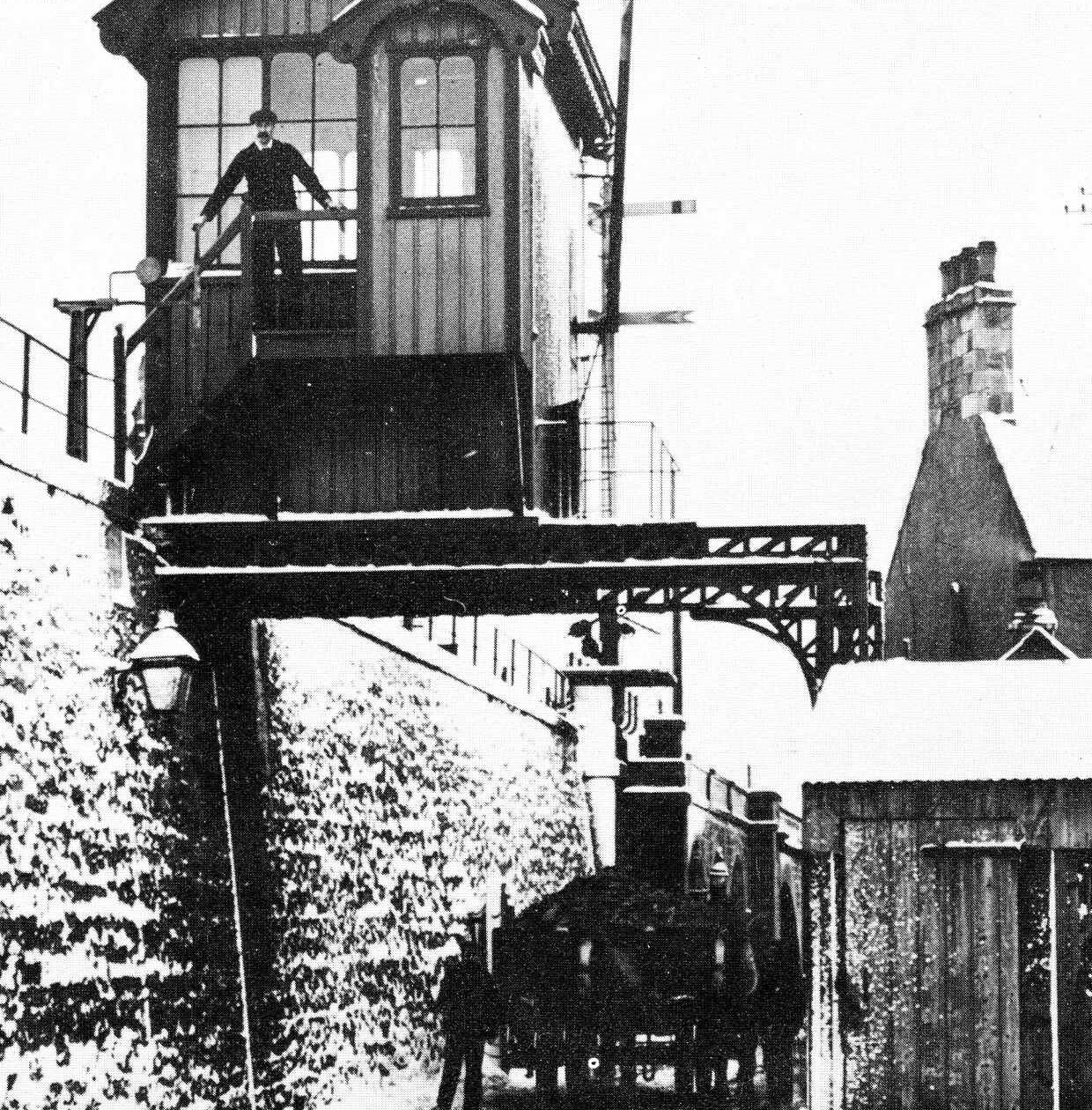
The port has always very much been part of Inverness and has gradually expanded to meet the demands of modern shipping and industry. It has grown from two berths to six, and continuously adapts to new opportunities like those presented by renewable energy.
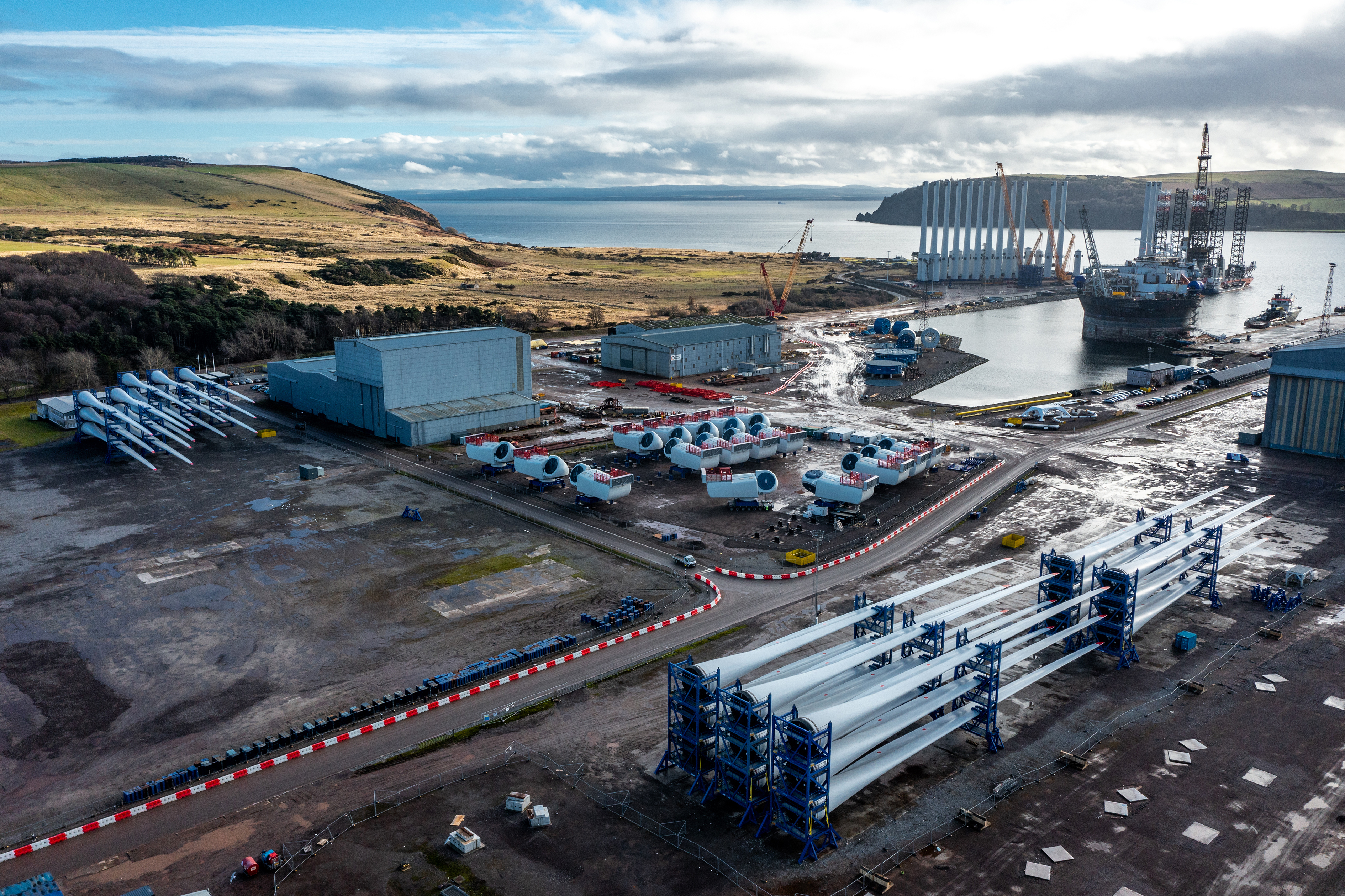
From handling more than 250 wind turbines over the past decade to planning major expansion projects, the Port of Inverness is positioning itself at the heart of the onshore and offshore energy transition, complementing the work of other sites that form part of the Green Freeport.
For Sinclair, the driver behind that growth is still rooted in the same guiding principle of delivering value for the community.
Delivering economic impact for the Highlands
He said: “Being located in Inverness means that we’re highly visible – people can drive over the Kessock Bridge and can see exactly what’s happening. With that visibility comes accountability.
“As a trust port, stakeholder benefit is absolutely central to everything we do. When we look at opportunities like the Green Freeport, or renewable energy projects, the question is always how do we maximise benefit for the region? How does it create jobs, support industry, and help sustain the Highlands for the long term?
“We commissioned a Gross Added Value (GVA) analysis recently, and found that for every £1 the port generates, we generate a further £8 for the Highland economy, and if you extend that to Scotland, it becomes £10.
“People sometimes overlook us because we’re a relatively small port, but actually our reach and impact across the Highlands is significant, and that’s something we’re looking to grow even further over the next 10 years.”