
Net zero in action: how Port of Inverness is leading from the front
May 28, 2026
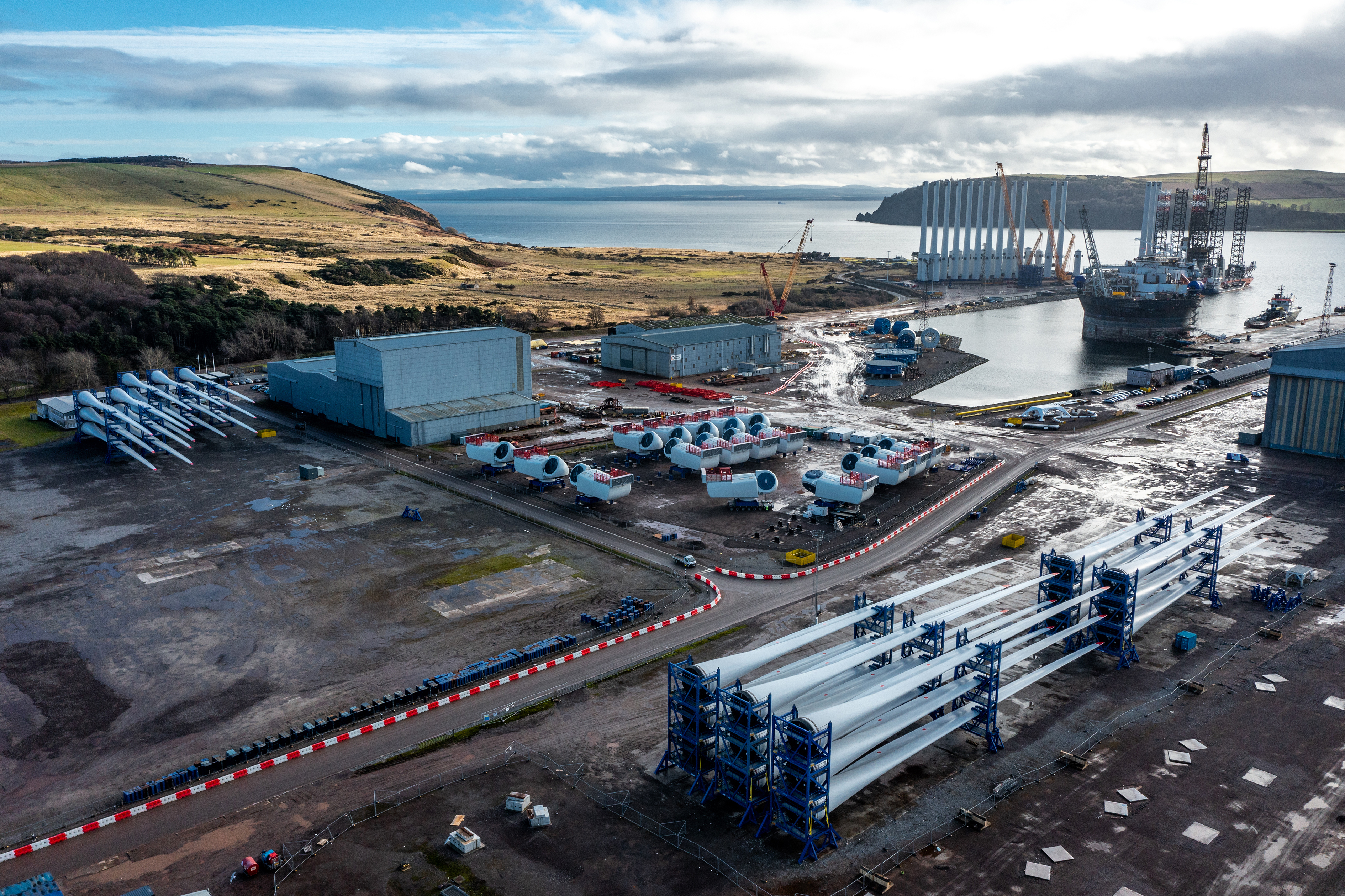
In this third and final article in our Partner Spotlight series, Sinclair Browne, CEO of Port of Inverness, explains how the port is not just supporting the energy transition but actively delivering it.
When people talk about the transition to net zero, it is often framed in terms of future ambition that is governed by targets, strategies and long-term pathways. But at Port of Inverness, the focus, while future-facing, is also very much on what is happening in the here and now.
From alternative fuels to electrification, the port is taking practical steps to reduce emissions across its own operations, while also enabling wider decarbonisation across the region through its role supporting the growth of renewable energy across the Highlands.
A net zero commitment backed by action
Several years ago, the port undertook an extensive exercise to understand the profile of its greenhouse gas emissions and where they were coming from. It also set out what it felt was a realistic timescale to reduce them.
The figures gave the board a baseline on which to measure progress, and a plan to start focusing on the biggest sources of carbon emissions. One of the most significant was the port’s pilot boat fleet.
Sinclair explained: “One of our main carbon generators is fuel for the pilot boats. They’re out every day, running 24/7, so they generate quite a lot of emissions. We decided to transition our pilot boats away from marine gas oil to hydrotreated vegetable oil (HVO) which is a more sustainable alternative to marine gas oil. That cut their greenhouse gas emissions by 80%, just like that.”
The same approach of making small, incremental changes that add up to something bigger is being applied across the wider port estate.
“We also took the opportunity to transition the port fleet to electric vehicles and just moving from diesel to electric generated considerable savings, even though we don’t do a huge amount of mileage every year,” he said.
“One of our tenants at the port is a shipping and logistics company that is transporting timber from the port to other sites nearby. They use an electric truck – we’re probably one of only a few ports that have an electric vehicle fleet service like that, and it’s been very successful in reducing scope 3 emissions.
“Four or five years ago, we also replaced all our high mast lights with LEDs. That drastically reduced not only our electricity consumption, but also our greenhouse gas emissions.
“We’re three or four years into our journey, and well ahead of our targets, ” said Sinclair.
Investing in self-sufficiency and future energy
Looking ahead, the ambition is to go even further towards energy self-sufficiency.
“We installed a 50 kVA solar array on one of our transit sheds about 12 years ago. That allows us to charge forklift trucks and export excess energy to the grid. Now we’re looking at expanding that, combining it with battery storage. My ambition is to see the port self-sufficient in terms of generation and consumption.”
This long-term view reflects the trust port model, where investment decisions are made with future generations in mind. It also aligns with the wider energy transition happening across the Highlands, where renewable generation, storage and distribution are becoming increasingly interconnected.
At the same time, the port is preparing for a more fundamental change in how energy is used across the maritime sector.
“There’s a big debate around what replaces marine gas oil, whether it’s methanol, ammonia or hydrogen. There’s also a drive towards getting ships to switch off their diesel engines and plug into electric power whilst in port to reduce greenhouse gas emissions We’re setting ourselves up as a bit of a test bed for all of these things so we’re ready to adapt when the market decides.”
A port that is part of the transition
For Port of Inverness, net zero is not just something it plays a role in through the Green Freeport, but something that it is actively delivering by reducing its own footprint, investing in new technologies and testing for future innovation.
It recognises that net zero will never happen if emissions reduction remains an ambition on paper, and it’s up to them and other organisations to act and lead by example.
Sinclair said: “We’re trying to back up what we’re saying. We’re not just talking about it - we’re actually doing it.”